
Small working horses
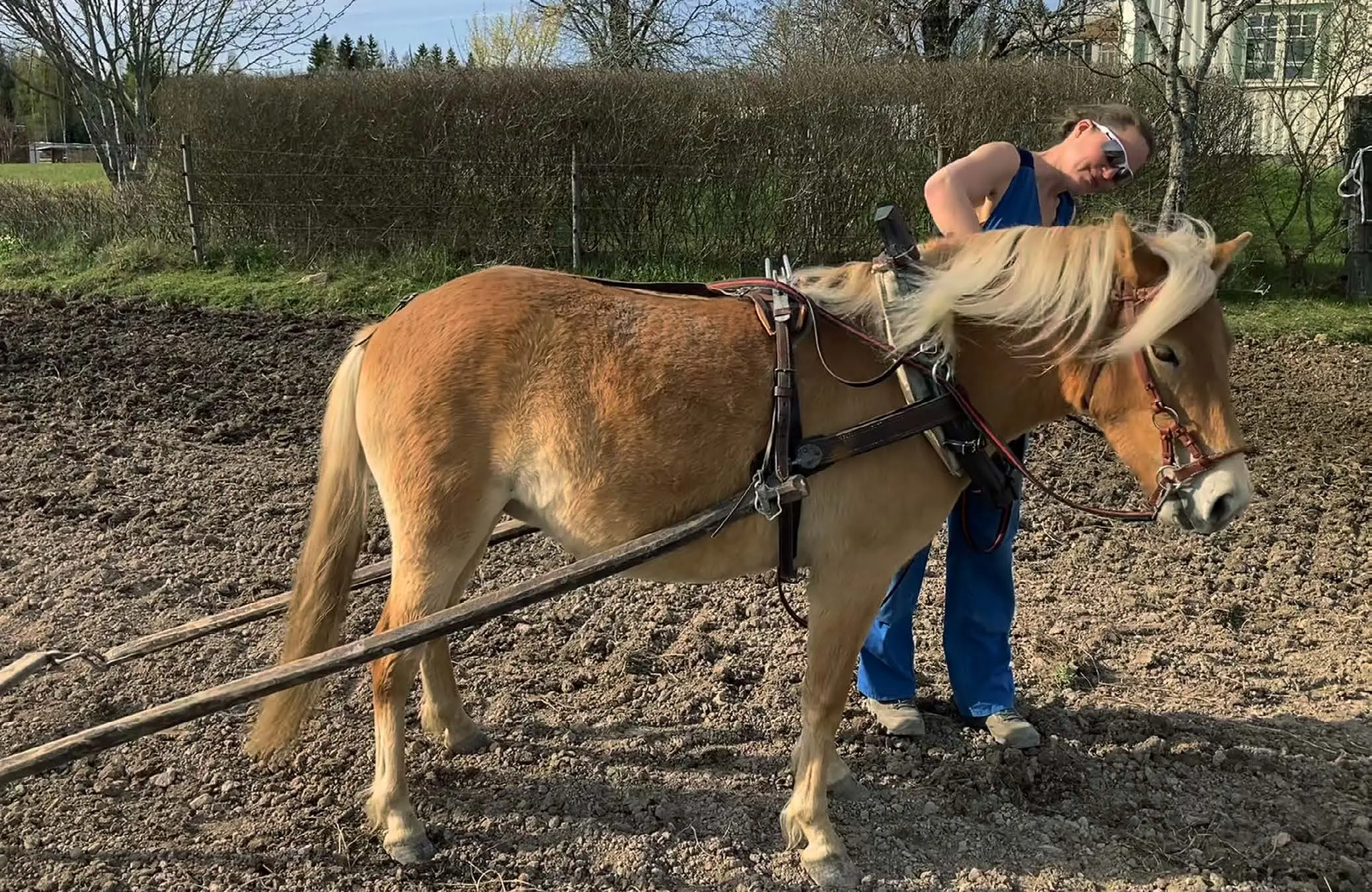
A small pony is surprisingly strong and can be of great use. They are also resource-efficient as they require relatively little feed and often do best in pastures with low feed availability, such as enclosed forests or leaner natural pastures. On many large and small farms there are ponies whose only job is to be a companion to a larger horse or to carry children around from time to time. Letting them work does both you and the pony a favor.
Page:
3
Number of pages:
3
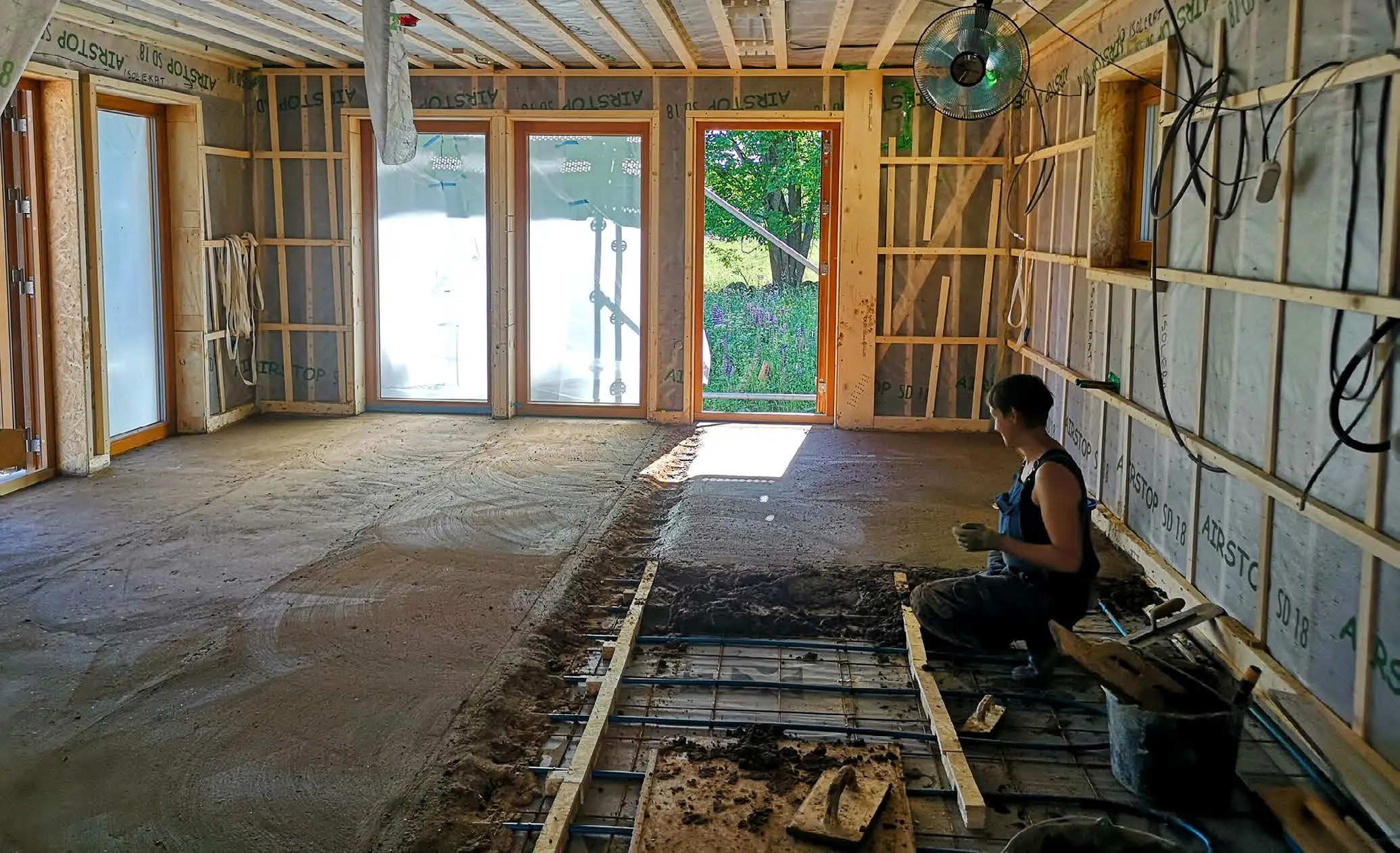
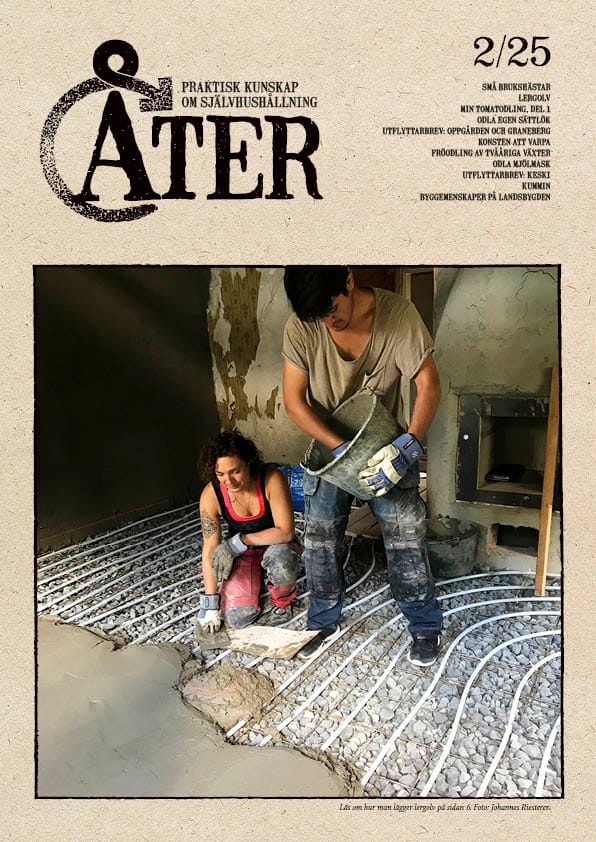
Clay floor
Clay floors have a long tradition, but during industrialization, these strong, attractive and healthy floors have fallen into obscurity, despite being both ecological and economical. Here I review material selection, mixing ratios and installation techniques for stamped and cast clay floors, as well as providing advice on surface treatment and maintenance.
Page:
6
Number of pages:
5
My tomato farm, part 1
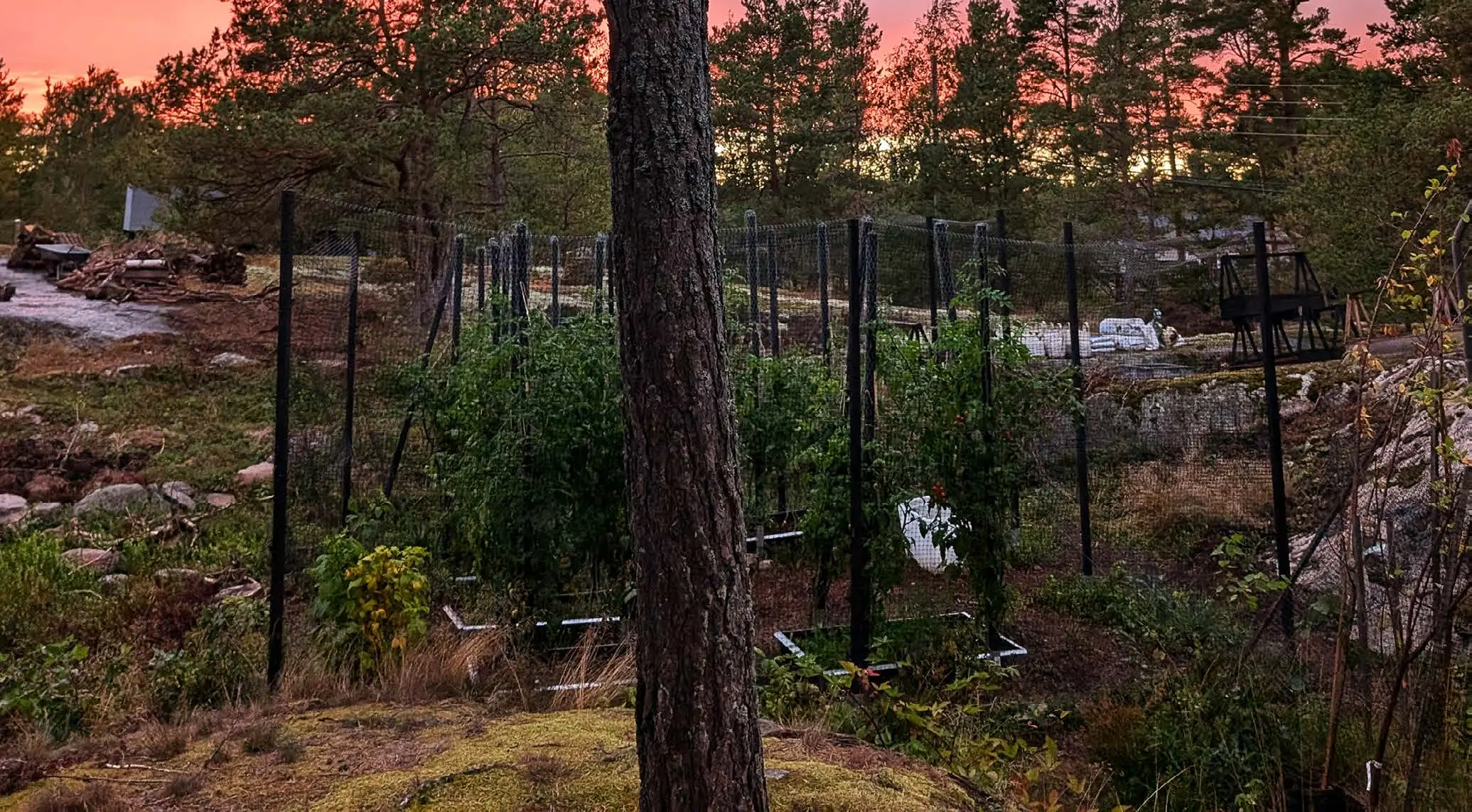
My family and I live on a high mountain out in the Stockholm archipelago where I grow tomatoes for self-sufficiency. I grow them partly in pots on the terrace that is at the same height as the oak crowns and partly in pallet collars outdoors in the peat moss between the rock outcrops. I thought I would tell you a little about how I think about the different challenges of growing, growing conditions, how I prepare for the season with sowing and choosing tomato varieties. One of the advantages of growing your own tomatoes is the diversity of varieties, flavors and colors that you are rewarded with. Nothing beats a tomato grown by yourself.
Page:
11
Number of pages:
6

Grow your own onion sets
Growing your own onion sets is easy. In a very small area, you can grow all the onion sets you need for your own household, thereby increasing your own self-sufficiency, gaining control over your own seed, and also saving some money. In this article, I describe how we do our onion set cultivation.
Page:
18
Number of pages:
2
Oppgården and Graneberg, part 2
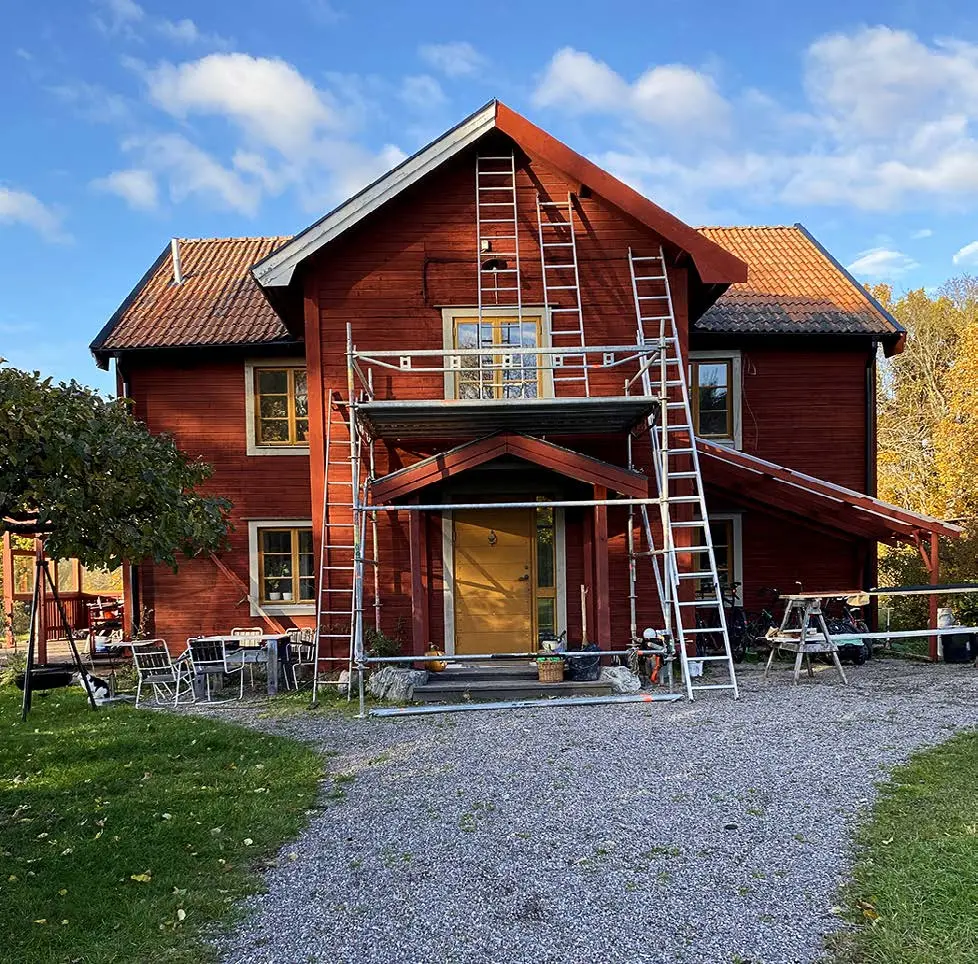
We who write this are Anna-Maria and Isak and we each have a farm in Strängnäs municipality. In the last issue (åter.se/125-23) we compared the conditions on our farms. In this part, we focus instead on what we are trying to build. Here, both our common principles and the differences of our places play a big role. For example, Anna-Maria has the cultural heritage of the place to take into account, while Isak is starting from a blank slate. In conclusion, we share the lessons we have learned along the way.
Page:
20
Number of pages:
3
The art of warping
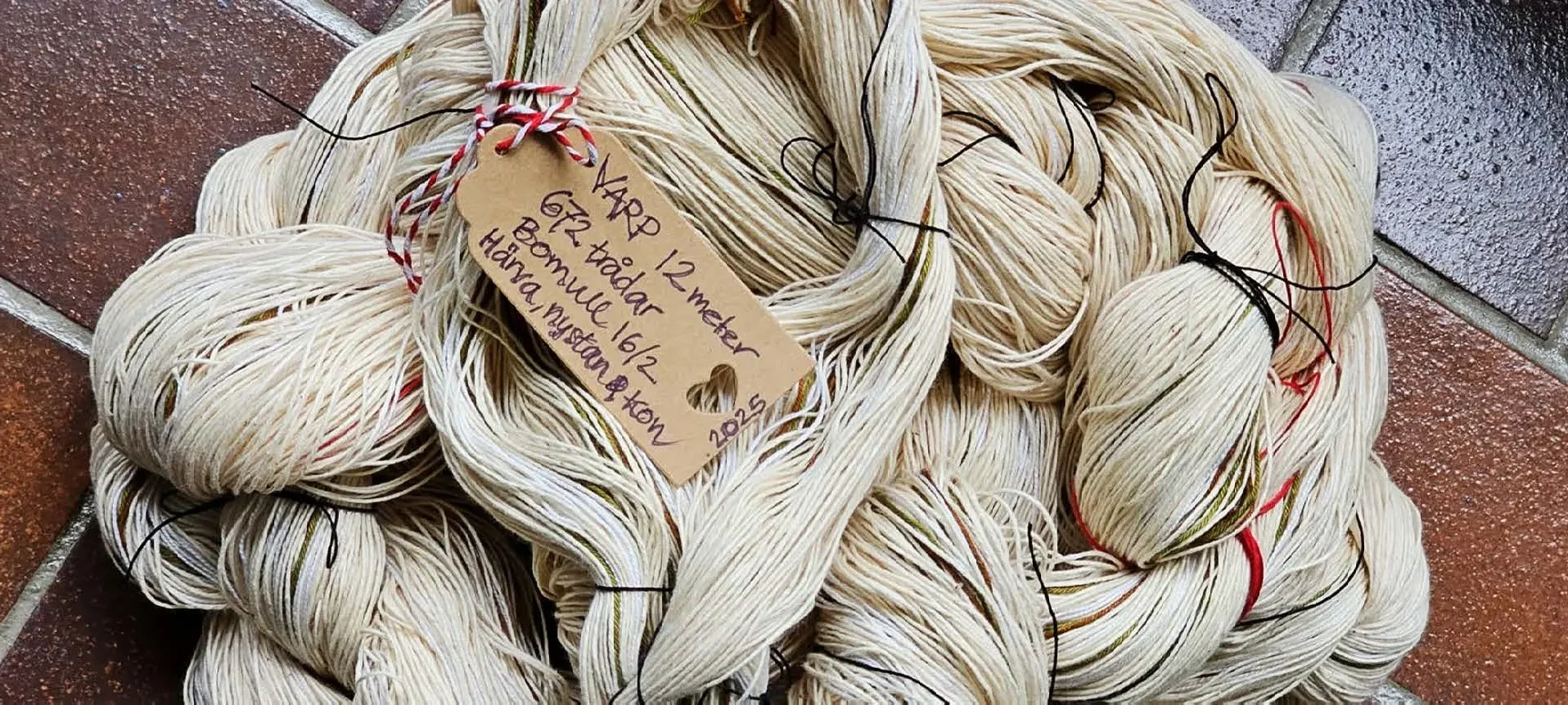
My hope with the article series The Art of Weaving is that interest in and courage to have your own loom at home will arise. In this part of the series, it is time to dare to warp, that is, to make your own warp rump.
Page:
24
Number of pages:
4
Series part:
7

Seed production of biennial plants
This is the third article in our series on seed growing. In the two previous articles we have gone through the basic requirements for seed growing and described how to grow annual plants from seed. Now it is time to tackle biennial plants.
Page:
29
Number of pages:
3
Series part:
3
Cultivating mealworms
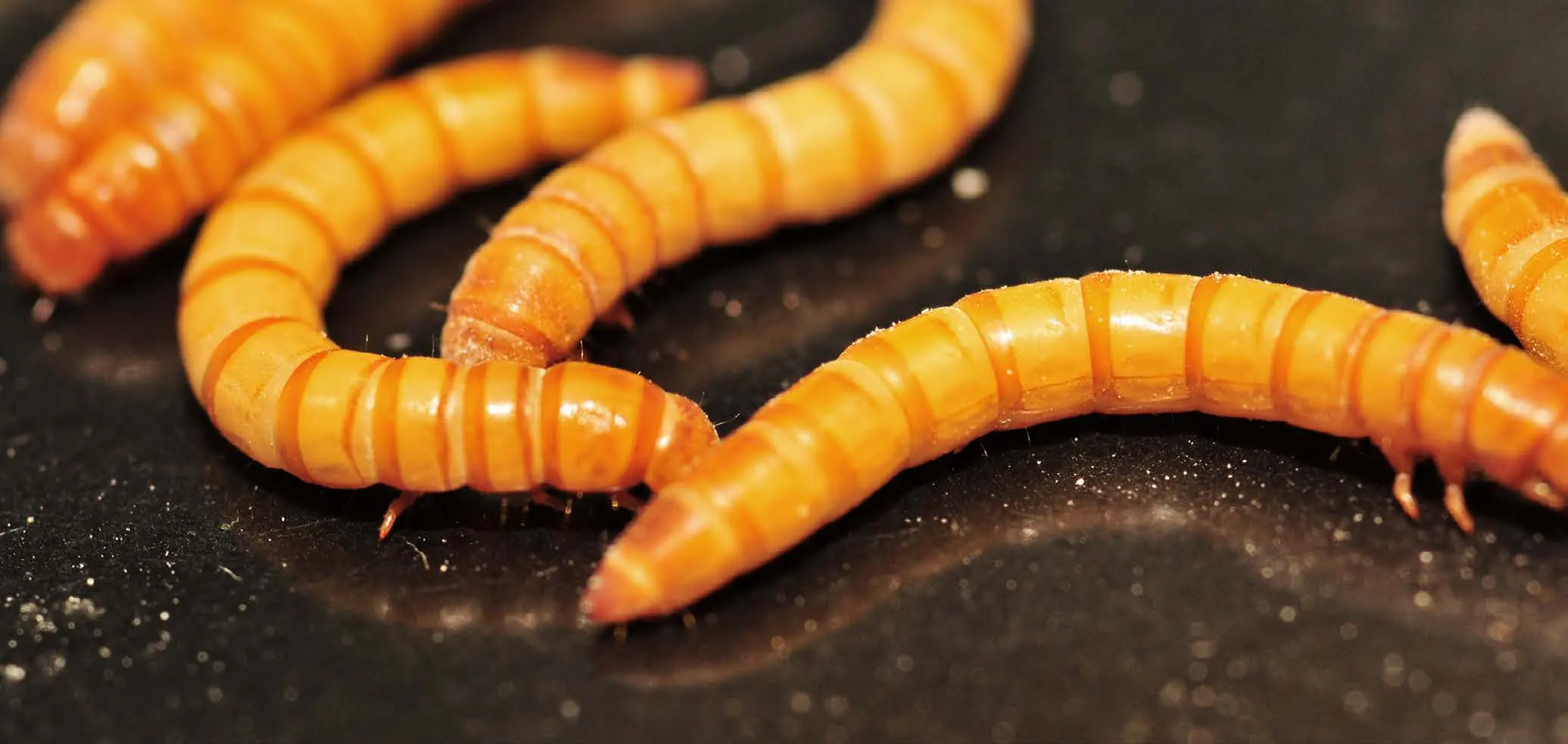
On our farm we have sheep, chickens and a cat and occasionally a couple of domestic pigs too. But the simplest animals on the farm are the mealworms. They are kind, cheap, productive, never bite my things and don't smell bad. They don't leave dead mice under my bed, don't need a lot of midwifery and baby bottles at birth and would never dare to crow loudly at 03 am.
Page:
32
Number of pages:
5

Central
In life, the path forward is rarely clear and distinct. Often we get so involved in the details of everyday life that we lose sight of the big picture. We have duties and commitments. Things get in the way. Unexpected events happen. And so it goes. But somehow, for fifty years, I have managed to follow the compass needle that has shown the way to a life outside the cities. That is what my letter of emigration is about.
Page:
36
Number of pages:
5

Goddamn
Discover one of our oldest wild herbs – cumin! A nuanced survivor that should regain its natural place in our food culture.
Page:
40
Number of pages:
2
Series part:
2
Construction communities in the countryside
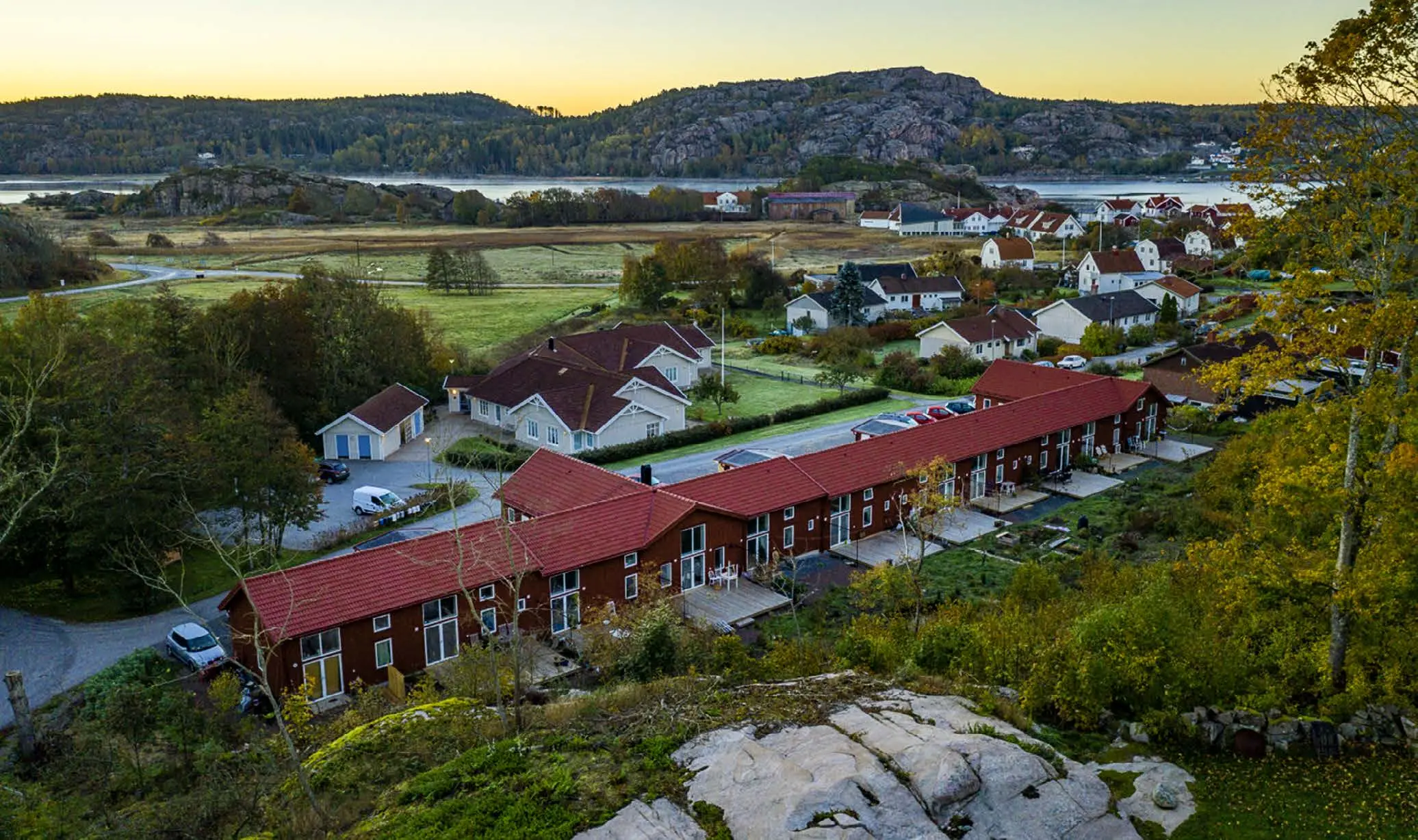
Rural communities are opening up a new type of living where people collectively take responsibility for both their living environment and their future. By joining together in economic associations or local development companies, also called “village companies”, residents can not only create apartment buildings but also, if they so wish, shape a lifestyle characterized by self-sufficiency – where communal gardens, renewable energy and shared resources become a natural part of everyday life.
Page:
42
Number of pages:
6
Series part:
1
Buy the online version to read the entire magazine digitally.